
بِسْمِ اللهِ الرَّحْمٰنِ الرَّحِيْمِ
Its first verse is widely believed to be a name of Prophet Muhammad ﷺ.
It is one of the most recited and memorized chapters of the Noble Qur’an.
On a culturally religious level, Surah Yasin is one of the most revered and oft-recited chapters of the Qur’an among born Muslims hailing from the South Asian region of the world. By ‘culturally religious’, I mean, when a ritual of worship is habitually practiced among a people on the basis of their belief that their religion endorses it, despite it having little to no authentic basis in the original-source scripture of that religion itself.
An age-old favorite surah of Pakistani Muslims, many of whom recite only it, day after day, week after week, and year after year during their lives (often without understanding the meaning of a single verse in it) with the intention of obtaining specific worldly benefits and rewards, Surah Yasin is nonetheless a beautiful chapter of the Noble Qur’an that carries a poignant and powerful message, which truly deserves to be pondered upon deeply, with a heart that is receptive and submissive towards benefiting from its exhortations.
Purported to be “the heart of the Qur’an” (based on weak Prophetic narrations), this short surah covers 5½ pages of the standard Qur’an mushaf, and comprises of 83 verses (ayaat). Sequentially, it is 36th in number (among the total 114 surah’s), starting in juz 22 and culminating in juz 23.
It begins and ends with heart-softening reminders to mankind.
Below in this post, I will breakdown my thoughts on this soulful and heart-softening surah (chapter) of the Noble Qur’an into 6 broad, chronological parts, according to topic of discussion.
But before beginning, I just want to point out one thing–the rampant belief (particularly among Muslims hailing from South Asia) that the first verse of Surah Yasin is addressing Prophet Muhammad ﷺ by one of his names, is baseless.
“Yasin” (or even “Taha”) is not a name of Prophet Muhammad ﷺ. And Allah knows best.
“Yasin” and “Taha” are merely letters of the Qur’an, known as the حُرُوف مُقَطَّعَات or the “Disjointed Letters”. These are meant to be recited for reward only, without anyone trying to attach any specific meanings to them. Muslims should, in fact, strive to avoid attributing any meanings to the Disjointed Letters.
It therefore goes without saying that gathering these disjointed letters into a physical tablet (known widely as “Lauh-e-Qur’ani” in Pakistan and India, a sample of which is pictured below), based on the belief that hanging up this tablet on a wall, especially above the entrance of a house, will bring special blessings and protection into the household, is a baseless belief that has no proof in Islamic Shari’ah, either from the sunnah of the Prophet ﷺ, or from the actions of his companions and the first generation of Muslims.
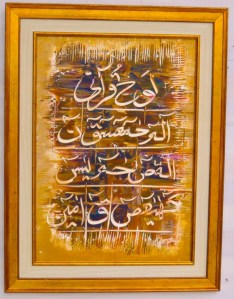
For those thinking, “But what is the harm in hanging up this tablet? They are verses of the Qur’an, are they not?”, I want to emphasize that having an indifferent or careless attitude towards introducing and allowing innovated matters (“bid’ahs”) in Islam, which are performed with the good intention of earning rewards or closeness to Allah, inadvertently leads to dangerous consequences. Misguidance and jahalah, or ignorance (such as that pictured below), take root and spread among the common masses.
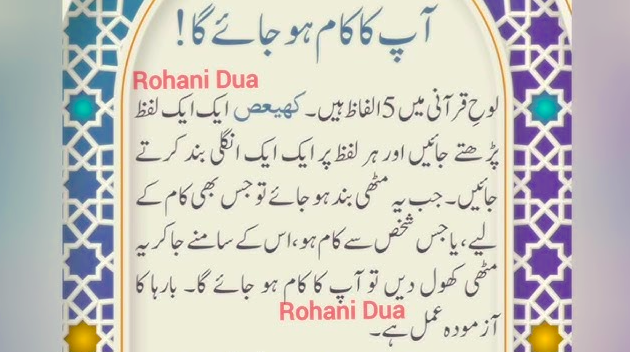
Allowing such innovations to take root in Muslim society makes its members eventually diverge and deviate away from adhering to the sunnah of Prophet Muhammad ﷺ, which is a great loss.
To invite my readers to, instead, ponder upon the strong message that Allah has conveyed to us in the beautiful Surah Yasin whenever they recite it, is the purpose behind penning this blog post.
So, without further ado…
Heed the warnings of Prophet Muhammad ﷺ
يسٓ ١ وَٱلْقُرْءَانِ ٱلْحَكِيمِ ٢ إِنَّكَ لَمِنَ ٱلْمُرْسَلِينَ ٣ عَلَىٰ صِرَٰطٍۢ مُّسْتَقِيمٍۢ ٤ تَنزِيلَ ٱلْعَزِيزِ ٱلرَّحِيمِ ٥ لِتُنذِرَ قَوْمًۭا مَّآ أُنذِرَ ءَابَآؤُهُمْ فَهُمْ غَـٰفِلُونَ ٦
Ya, Seen.
By the wise Qur’an.
Indeed you, [O Muhammad], are from among the messengers,
On a straight path.
[This is] a revelation of the Exalted in Might, the Merciful,
That you may warn a people whose forefathers were not warned, so they are unaware. [1-6]
From its beginning, the message of this surah is meant to be a grave warning to those people (primarily the power players of the Quraysh tribe) who were rejecting the message of Islam preached by Prophet Muhammad ﷺ in Makkah.
It was a difficult time for the Prophet ﷺ, as he was facing tremendous opposition from the powerful leaders in Makkah, his birth-town. Surah Yasin therefore commences with a consolation to the Prophet. Allah swears by the Qur’an, that he (Muhammad) is one of His messengers, on the straight path. And that the message he is conveying to his people is meant to warn them because they are ignorant of this straight path, as their forefathers were not warned.
لَقَدْ حَقَّ ٱلْقَوْلُ عَلَىٰٓ أَكْثَرِهِمْ فَهُمْ لَا يُؤْمِنُونَ ٧ إِنَّا جَعَلْنَا فِىٓ أَعْنَـٰقِهِمْ أَغْلَـٰلًۭا فَهِىَ إِلَى ٱلْأَذْقَانِ فَهُم مُّقْمَحُونَ ٨ وَجَعَلْنَا مِنۢ بَيْنِ أَيْدِيهِمْ سَدًّۭا وَمِنْ خَلْفِهِمْ سَدًّۭا فَأَغْشَيْنَـٰهُمْ فَهُمْ لَا يُبْصِرُونَ ٩ وَسَوَآءٌ عَلَيْهِمْ ءَأَنذَرْتَهُمْ أَمْ لَمْ تُنذِرْهُمْ لَا يُؤْمِنُونَ ١٠
Already the word has come into effect upon most of them, so they do not believe.
Indeed, We have put shackles on their necks, and they are to their chins, so they are with heads [kept] aloft.
And We have put before them a barrier and behind them a barrier and covered them, so they do not see.
And it is all the same for them whether you warn them or do not warn them—they will not believe. [7–10]
Allah castigates the people of Makkah, who were rejecting the Prophet’s message, for their vile actions, giving a chilling description of their punishment expressed as a metaphor—their heads raised up by a choking shackle around their necks (with their hands up to their mouths, according to one interpretation); and barriers erected before and behind them in a way that totally covers them, because of which they cannot “see” (the guidance). Allah then exhorts that their level of disbelief is so great that they will never believe in Allah’s religion, whether the Prophet ﷺ warns them or not.
This warning is a metaphor that aptly describes how disbelief in Islam and arrogance-based defiance in the rejection of the truth leads to a punishment from Allah during the life of this world, in which the head of the defiant disbeliever is held up (as if by an invisible neck-brace), and there are (invisible) “barriers” to the truth erected before and behind them, in a way that totally ‘covers’ them (such as being inside a capsule or a prison cell without windows). This neck-brace (أَغْلَـٰلًۭا) and barriers (سَدًّۭا) prevent the disbelievers from not only recognizing the light of truth, but also from submitting themselves to it, if they do see it.
It is like being trapped inside a self-erected “prison cell” that they have created from their own arrogance and defiance towards Allah’s message. The result is chilling: even if the sincere caller to Islam warns them now, they will not be able to believe.
إِنَّمَا تُنذِرُ مَنِ ٱتَّبَعَ ٱلذِّكْرَ وَخَشِىَ ٱلرَّحْمَـٰنَ بِٱلْغَيْبِ ۖ فَبَشِّرْهُ بِمَغْفِرَةٍۢ وَأَجْرٍۢ كَرِيمٍ ١١ إِنَّا نَحْنُ نُحْىِ ٱلْمَوْتَىٰ وَنَكْتُبُ مَا قَدَّمُوا۟ وَءَاثَـٰرَهُمْ ۚ وَكُلَّ شَىْءٍ أَحْصَيْنَـٰهُ فِىٓ إِمَامٍۢ مُّبِينٍۢ ١٢
You can only warn one who follows the message and fears the Most Merciful unseen. So give him good tidings of forgiveness and a noble reward.
Indeed, it is We Who bring the dead to life and record what they have put forth and what they left behind, and all things We have enumerated in a clear register. [11-12]
Allah then goes on to describe who the Prophet should warn: the human being who, though born a disbeliever, consciously chooses to follow the truth (after recognizing it) and fears their Merciful Creator, referred to here as “Al-Rahman”, even when they are alone. This person should be given the glad tidings of having all their previous sins forgiven in this world, and more noble rewards reserved for them in the Hereafter.
Allah then provides another metaphor as an analogy of how the disbeliever’s ‘dead’ heart ‘comes alive’ with the light of belief and guidance: He mentions how it is He brings the dead back to life; how He records what they have sent forth, and what they have left behind as ‘footsteps’ or ءَاثَـٰرَ (i.e. the lasting, “ripple-effect” impact of their deeds) in the life of this world. Both sins and good deeds leave behind these ‘footsteps’ (ءَاثَـٰرَ), which affect others long after the doer of deeds has left this world.
Everything, Allah then says, is recorded in a writ, which means that everything that exists is precisely dictated in a record in Al-Lauh Al-Mahfudh, according to Tafsir Ibn Kathir.
Other Prophets sent to bygone nations
وَٱضْرِبْ لَهُم مَّثَلًا أَصْحَـٰبَ ٱلْقَرْيَةِ إِذْ جَآءَهَا ٱلْمُرْسَلُونَ ١٣ إِذْ أَرْسَلْنَآ إِلَيْهِمُ ٱثْنَيْنِ فَكَذَّبُوهُمَا فَعَزَّزْنَا بِثَالِثٍۢ فَقَالُوٓا۟ إِنَّآ إِلَيْكُم مُّرْسَلُونَ ١٤
And present to them an example: the people of the city, when the messengers came to it. When We sent to them two but they denied them, so We strengthened them with a third, and they said, “Indeed, we are messengers to you.” [13-14]
The narrative of Surah Yasin now shifts to mention two previous Prophets, who remain unnamed, whom Allah sent to warn a bygone nation, which also remains unnamed.
Two Prophets were sent to this nation at first, with a third one joining them later as a reinforcement intended to strengthen them, after this pair were rejected by the people. According to Tafsir Ibn Kathir, “The names of the first two messengers were Sham’oun (Simon) and Yuhanna (John), and the name of the third was Bulus (Paul), and the city was Antioch (Antakiyah).”
Allah knows best.
Surah Yasin is a Makkan surah, i.e. it was revealed during the first decade of revelation, in which the Qur’an was revealed in shorter portions. These earlier surah’s had fewer details, such as names and descriptions of laws and rules pertaining to society.
Nevertheless, Allah goes on to describe the conversation between these 3 Prophets and their disbelieving people, who continued to defiantly reject their message.
قَالُوا۟ مَآ أَنتُمْ إِلَّا بَشَرٌۭ مِّثْلُنَا وَمَآ أَنزَلَ ٱلرَّحْمَـٰنُ مِن شَىْءٍ إِنْ أَنتُمْ إِلَّا تَكْذِبُونَ ١٥ قَالُوا۟ رَبُّنَا يَعْلَمُ إِنَّآ إِلَيْكُمْ لَمُرْسَلُونَ ١٦ وَمَا عَلَيْنَآ إِلَّا ٱلْبَلَـٰغُ ٱلْمُبِينُ ١٧
They said, “You are not but human beings like us, and the Most Merciful has not revealed a thing. You are only telling lies!”
They said, “Our Lord knows that we are messengers to you. And we are not responsible except for clear notification.” [15-17]
The people rejected all 3 Prophets, calling them liars who had not brought any revelation from Allah, who is once again referred to as “Al-Rahman”. The Prophets being flesh-and-blood human beings was given as a ‘justification’ for this denial and rejection.
Nevertheless, the Prophets continued to reiterate and proclaim the truth, even in the face of their people’s disrespectful slander and blatant antagonism.
قَالُوٓا۟ إِنَّا تَطَيَّرْنَا بِكُمْ ۖ لَئِن لَّمْ تَنتَهُوا۟ لَنَرْجُمَنَّكُمْ وَلَيَمَسَّنَّكُم مِّنَّا عَذَابٌ أَلِيمٌۭ ١٨ قَالُوا۟ طَـٰٓئِرُكُم مَّعَكُمْ ۚ أَئِن ذُكِّرْتُم ۚ بَلْ أَنتُمْ قَوْمٌۭ مُّسْرِفُونَ ١٩
They said, “Indeed, we consider you a bad omen. If you do not desist, we will surely stone you, and there will surely touch you, from us, a painful punishment.”
They said, “Your omen is with yourselves. Is it because you were reminded? Rather, you are a transgressing people.” [18-19]
The evil townspeople or أَصْحَـٰبَ ٱلْقَرْيَةِ then began to cross all bounds. They slandered the 3 Prophets by calling them “a bad omen” i.e. harbingers of ill-fate. They then threatened the Prophets with murder by stoning, or a worse punishment-by-torture.
The Prophets aptly responded that the people’s taking of an (alleged) evil omen simply in face of being reminded of Allah and His revelation to them (أَئِن ذُكِّرْتُم), would befall upon their own selves, lamenting how the people were crossing all limits now, and thus inviting Divine punishment towards themselves as retribution.
A brave and eloquent believer speaks up, gets martyred
وَجَآءَ مِنْ أَقْصَا ٱلْمَدِينَةِ رَجُلٌۭ يَسْعَىٰ قَالَ يَـٰقَوْمِ ٱتَّبِعُوا۟ ٱلْمُرْسَلِينَ ٢٠ ٱتَّبِعُوا۟ مَن لَّا يَسْـَٔلُكُمْ أَجْرًۭا وَهُم مُّهْتَدُونَ ٢١ وَمَا لِىَ لَآ أَعْبُدُ ٱلَّذِى فَطَرَنِى وَإِلَيْهِ تُرْجَعُونَ ٢٢ ءَأَتَّخِذُ مِن دُونِهِۦٓ ءَالِهَةً إِن يُرِدْنِ ٱلرَّحْمَـٰنُ بِضُرٍّۢ لَّا تُغْنِ عَنِّى شَفَـٰعَتُهُمْ شَيْـًۭٔا وَلَا يُنقِذُونِ ٢٣ إِنِّىٓ إِذًۭا لَّفِى ضَلَـٰلٍۢ مُّبِينٍ ٢٤ إِنِّىٓ ءَامَنتُ بِرَبِّكُمْ فَٱسْمَعُونِ ٢٥
And there came from the farthest end of the city a man, running.
He said, “O my people, follow the messengers. Follow those who do not ask of you [any] payment, and they are [rightly] guided.
And why should I not worship He who created me and to whom you will be returned? Should I take other than Him [false] deities [while], if the Most Merciful intends for me some adversity, their intercession will not avail me at all, nor can they save me?
Indeed, I would then be in manifest error. Indeed, I have believed in your Lord, so listen to me!” [20-25]
When the 3 Prophets were in the process of being antagonized, vilified, slandered and threatened with their lives by the townspeople, a believer from among them arose. He came running from the outskirts of the town to salvage the situation; to negotiate with his people in the Prophets’ defense.
What follows is the glorious tribute that Allah has given in the Qur’an to this brave and eloquent believer. Allah quotes him directly in the Qur’an, by mentioning what he said in his entreating appeals to his townspeople, which largely fell on deaf ears. His appeals are quoted almost verbatim.
First, he implores his people to follow the 3 Prophets, saying that they neither want nor demand anything material as wages in return from them, and that their actions prove how they are rightly-guided. This is a key point, worthy of special mention, because history has witnessed the fact that the leaders of most organized religions, religious movements, and other spiritual cults around the world have often exploited their followers’ fear of poverty and Divine retribution to “milk” material benefits, gifts, and personal favors from them. This increased these religious leaders’ power over the masses, garnering them exponential political and social clout. The eloquent believer then pointed out how these 3 Prophets were not asking for anything like this at all from the townspeople. He then proclaims his own faith and submission to Allah, acknowledging Him as the One Who created him and to Whom he will be returned.
He then rejects the worship of all other deities, claiming that these deities’ intercession will not avail him one bit if Allah intends any harm to him, nor will they have any power to save him from Allah; worshiping these deities would therefore be clear misguidance.
The believer culminates his sincere verbal appeal to his people with a final proclamation, the choice of words for which is interesting, because he says, “Indeed, I have believed in YOUR Lord, so listen to me!” instead of saying, “my Lord”. One meaning ascribed to this statement is that he spoke this last quoted line to the 3 Prophets, and not to the townspeople. Allah knows best.
The entire speech of this sincere believer gives away how much he cared about his townspeople, despite their vile actions, and how desperate he was to save them from Allah’s punishment and destruction, which they were inviting upon themselves by trying to kill Allah’s Prophets.
But they killed him instead.
According to Tafsir Ibn Kathir, “Ibn Ishaq said, quoting from what had reached him from Ibn Abbas, Ka’b and Wahb, ‘When he said that, they all turned on him as one, and killed him at once, and he had no one to protect him from that.’ Qatadah said, ‘They started to stone him while he was saying, ‘O Allah, guide my people, for they do not know!’, and they kept stoning him until he died a violent death, and he was still praying for them’.”
قِيلَ ٱدْخُلِ ٱلْجَنَّةَ ۖ قَالَ يَـٰلَيْتَ قَوْمِى يَعْلَمُونَ ٢٦ بِمَا غَفَرَ لِى رَبِّى وَجَعَلَنِى مِنَ ٱلْمُكْرَمِينَ ٢٧ ۞ وَمَآ أَنزَلْنَا عَلَىٰ قَوْمِهِۦ مِنۢ بَعْدِهِۦ مِن جُندٍۢ مِّنَ ٱلسَّمَآءِ وَمَا كُنَّا مُنزِلِينَ ٢٨ إِن كَانَتْ إِلَّا صَيْحَةًۭ وَٰحِدَةًۭ فَإِذَا هُمْ خَـٰمِدُونَ ٢٩
It was said, “Enter Paradise.” He said, “I wish my people could know..
Of how my Lord has forgiven me and placed me among the honored.”
And We did not send down upon his people after him any soldiers from the heaven, nor would We have done so.
It was not but one shout, and immediately they were extinguished. [26–29]
When this believer died as a martyr, killed by his townspeople for submitting to Allah’s revelation and for defending His Prophets, Allah immediately admitted him into Paradise, and his soul began to behold the beautiful rewards he received. Even at that moment, his lamentation was for his transgressive townspeople, as he entered Allah’s Paradise and began to taste the sweetness of His honorable rewards…“Oh, I wish they knew….how Allah forgave me and cast me into His honored ones…”
Lesson for us? Rejection, mistreatment, disrespect, persecution of, and attempts to kill Allah’s Prophets (and their helpers), leads to nothing but immediate Divine destruction and punishment, which is what happened to the people of this unnamed town, to which the 3 unnamed Prophets were sent, not long after they killed the eloquent believer who courageously rushed forward to defend the Prophets from their attack.
Allah says that, instantly after the martyr’s death, He did not send an army (of angels) from the sky to finish off the townspeople.
Rather, there was just one loud صَيْحَةً or “blast”. And it was done!
According to Tafsir Ibn Kathir, “Allah sent archangel Jibril to them, and he seized the pillars at the gate of their city, then he hurled one صَيْحَةً upon them, and they were still, all to the last man among them, and no soul was left in any body’.”
Complete annihilation!
يَـٰحَسْرَةً عَلَى ٱلْعِبَادِ ۚ مَا يَأْتِيهِم مِّن رَّسُولٍ إِلَّا كَانُوا۟ بِهِۦ يَسْتَهْزِءُونَ ٣٠ أَلَمْ يَرَوْا۟ كَمْ أَهْلَكْنَا قَبْلَهُم مِّنَ ٱلْقُرُونِ أَنَّهُمْ إِلَيْهِمْ لَا يَرْجِعُونَ ٣١ وَإِن كُلٌّۭ لَّمَّا جَمِيعٌ لَّدَيْنَا مُحْضَرُونَ ٣٢
How regretful for the servants. There did not come to them any messenger except that they used to ridicule him.
Have they not considered how many generations We destroyed before them—that they to them will not return?
And indeed, all of them will yet be brought before Us. [30–32]
As the story of the 3 unnamed Prophets wraps up in this portion of Surah Yasin, Allah deplores how some of His human creation, referring to them as “slaves” (ٱلْعِبَادِ), make a mockery of the Prophets that He sent to them. Of course, this reference includes the disbelievers of Makkah, who were meting out similar evil treatment to Prophet Muhammad at the time that Surah Yasin was revealed.
Allah then asks, whether they (ٱلْعِبَادِ) have not looked at how many nations (مِّنَ ٱلْقُرُونِ) He has wiped out in the past? How not even one of them has ever returned from the dead?
Yet, not a single bygone or forthcoming nation among mankind will be left out when the time comes for them to be resurrected and presented before Allah—on the Day of Judgment.
Everyone in humankind will be presented … for judgment and retribution.
Signs of Allah in nature — a list

To shed light on the reality of resurrection in the Hereafter, Allah mentions a few signs that exist in this world, for us to notice and take heed from, during our lives.
Earth producing food & drink
وَءَايَةٌۭ لَّهُمُ ٱلْأَرْضُ ٱلْمَيْتَةُ أَحْيَيْنَـٰهَا وَأَخْرَجْنَا مِنْهَا حَبًّۭا فَمِنْهُ يَأْكُلُونَ ٣٣ وَجَعَلْنَا فِيهَا جَنَّـٰتٍۢ مِّن نَّخِيلٍۢ وَأَعْنَـٰبٍۢ وَفَجَّرْنَا فِيهَا مِنَ ٱلْعُيُونِ ٣٤ لِيَأْكُلُوا۟ مِن ثَمَرِهِۦ وَمَا عَمِلَتْهُ أَيْدِيهِمْ ۖ أَفَلَا يَشْكُرُونَ ٣٥ سُبْحَـٰنَ ٱلَّذِى خَلَقَ ٱلْأَزْوَٰجَ كُلَّهَا مِمَّا تُنۢبِتُ ٱلْأَرْضُ وَمِنْ أَنفُسِهِمْ وَمِمَّا لَا يَعْلَمُونَ ٣٦
And a sign for them is the dead earth. We have brought it to life and brought forth from it grain, and from it they eat.
And We placed therein gardens of palm trees and grapevines and caused to burst forth therefrom some springs..
That they may eat of His fruit. And their hands have not produced it, so will they not be grateful?
Exalted is He who created all pairs—from what the earth grows, and from themselves and from that which they do not know. [33-36]
As proof of the fact that all of mankind will one day be resurrected from the dead and presented before Allah, Allah describes one of His signs: how He brings to life the apparently ‘dead’ and lifeless earth, so that it produces grains, from which human beings eat. Besides grains, the earth provides us with shady trees (forests), a myriad of fruit, sweetwater springs and wells, all of which we amply consume and benefit from.
Allah says that our hands cannot bring about this process of the earth producing our food, because we do not have the power to create it. Though we may till the ground, or build tubewells, we cannot (and do not) engage in any hard labor to actually create the food and sweetwater from scratch that the earth sprouts for us (from a previously lifeless, dry, and barren state).
All then asks us that will we not, then, be grateful?
Allah is then exalted in praise as the Creator Who made everything in pairs, including those creatures and living beings that mankind does not even know of!
Sun & Moon — night & day
وَءَايَةٌۭ لَّهُمُ ٱلَّيْلُ نَسْلَخُ مِنْهُ ٱلنَّهَارَ فَإِذَا هُم مُّظْلِمُونَ ٣٧ وَٱلشَّمْسُ تَجْرِى لِمُسْتَقَرٍّۢ لَّهَا ۚ ذَٰلِكَ تَقْدِيرُ ٱلْعَزِيزِ ٱلْعَلِيمِ ٣٨ وَٱلْقَمَرَ قَدَّرْنَـٰهُ مَنَازِلَ حَتَّىٰ عَادَ كَٱلْعُرْجُونِ ٱلْقَدِيمِ ٣٩ لَا ٱلشَّمْسُ يَنۢبَغِى لَهَآ أَن تُدْرِكَ ٱلْقَمَرَ وَلَا ٱلَّيْلُ سَابِقُ ٱلنَّهَارِ ۚ وَكُلٌّۭ فِى فَلَكٍۢ يَسْبَحُونَ ٤٠
And a sign for them is the night. We remove from it (the light of) day, so they are (left) in darkness.
And the sun runs (on course) toward its stopping point. That is the determination of the Exalted in Might, the Knowing.
And the moon—We have determined for it phases, until it returns (appearing) like the old date stalk.
It is not allowable for the sun to reach the moon, nor does the night overtake the day, but each, in an orbit, is swimming. [37–40]
The next sign that Allah invites us to ponder upon is the alternation of the night and day, and the movements of the Sun and the Moon. Both these celestial bodies appear clearly in the sky for our eyes to behold without the help of a telescope, but alternatively, depending on whether it is night or day.
The position of the Sun changes throughout the daylight hours, and the time period for which it shines daily also differs during the seasons of the year, casting changing shadows and different effects of light throughout the day,— all of which is a sign from Allah.
And who can deny the beauty of the daily sunrise and sunset, including the spell-binding, picturesque color-effects that they cast upon the sky and landscape twice a day?
For centuries past, mankind has used the Sun and the Moon as a guide to keep track of the date and time (i.e. the days, months and years). Similarly, the changing shape of the Moon on a daily basis throughout the month, and the way that neither the Sun nor the Moon ever collide with each other, nor interfere with each other’s course/path, are open signs of Allah for mankind to reflect upon!
Rides—ships, boats and camels
وَءَايَةٌۭ لَّهُمْ أَنَّا حَمَلْنَا ذُرِّيَّتَهُمْ فِى ٱلْفُلْكِ ٱلْمَشْحُونِ ٤١ وَخَلَقْنَا لَهُم مِّن مِّثْلِهِۦ مَا يَرْكَبُونَ ٤٢ وَإِن نَّشَأْ نُغْرِقْهُمْ فَلَا صَرِيخَ لَهُمْ وَلَا هُمْ يُنقَذُونَ ٤٣ إِلَّا رَحْمَةًۭ مِّنَّا وَمَتَـٰعًا إِلَىٰ حِينٍۢ ٤٤
And a sign for them is that We carried their forefathers in a laden ship.
And We created for them from the likes of it that which they ride.
And if We should will, We could drown them; then no one responding to a cry would there be for them, nor would they be saved..
Except as a mercy from Us and provision for a time. [41–44]
The ark or ship that Prophet Noah عَلَيْهِ ٱلسَّلَامُ built was a sign of Allah, because it allowed Allah’s creation (ذُرِّيَّتَهُمْ) to be saved from the massive flood, and enabled the species of living things that were brought abroad on it in pairs, to continue to exist on earth. This ark as well as all ships and boats built after it, which are able to save those onboard from drowning, by the will of Allah, in addition to camels and horses (i.e. the ‘ships’ of the land) are all from Allah’s signs.
Nevertheless, when Allah wills for a ship to sink at sea, nothing can save its passengers from death by drowning, unless Allah has mercy on them and He decides to save them from such a death … till an appointed time.
Ahem…..The Titanic and The Titan, anyone?
وَإِذَا قِيلَ لَهُمُ ٱتَّقُوا۟ مَا بَيْنَ أَيْدِيكُمْ وَمَا خَلْفَكُمْ لَعَلَّكُمْ تُرْحَمُونَ ٤٥ وَمَا تَأْتِيهِم مِّنْ ءَايَةٍۢ مِّنْ ءَايَـٰتِ رَبِّهِمْ إِلَّا كَانُوا۟ عَنْهَا مُعْرِضِينَ ٤٦
But when it is said to them, “Beware of what is before you and what is behind you; perhaps you will receive mercy… ”
And no sign comes to them from the signs of their Lord except that they are from it turning away. [45–46]
When disbelievers are warned to fear Allah regarding what might come in future in the form of a torment from Allah, and regarding what they have left behind in the form of sins and evil deeds, they just ignore these warnings by defiantly turning away, whenever a clear sign comes to them.
وَإِذَا قِيلَ لَهُمْ أَنفِقُوا۟ مِمَّا رَزَقَكُمُ ٱللَّهُ قَالَ ٱلَّذِينَ كَفَرُوا۟ لِلَّذِينَ ءَامَنُوٓا۟ أَنُطْعِمُ مَن لَّوْ يَشَآءُ ٱللهُ أَطْعَمَهُۥٓ إِنْ أَنتُمْ إِلَّا فِى ضَلَـٰلٍۢ مُّبِينٍ ٤٧ وَيَقُولُونَ مَتَىٰ هَـٰذَا ٱلْوَعْدُ إِن كُنتُمْ صَـٰدِقِينَ ٤٨
And when it is said to them, “Spend from that which Allah has provided for you”, those who disbelieve say to those who believe, “Should we feed one whom, if Allah had willed, He would have fed? You are not but in clear error.”
And they say, “When is this promise, if you should be truthful?” [47–48]
The attitude of the Makkan disbelievers was so arrogant that they looked down upon even the commands of Allah to spend upon the needy believers from their wealth, and passed taunting comments in reply, that why does Allah not feed them Himself? They then implied that ‘by telling us to spend on these needy believers, you are in clear misguidance’.
Further, they would haughtily demand to know when their punishment was to come, if the warnings of it were true?
Torment of the next life: Day of Reckoning
مَا يَنظُرُونَ إِلَّا صَيْحَةًۭ وَٰحِدَةًۭ تَأْخُذُهُمْ وَهُمْ يَخِصِّمُونَ ٤٩ فَلَا يَسْتَطِيعُونَ تَوْصِيَةًۭ وَلَآ إِلَىٰٓ أَهْلِهِمْ يَرْجِعُونَ ٥٠ وَنُفِخَ فِى ٱلصُّورِ فَإِذَا هُم مِّنَ ٱلْأَجْدَاثِ إِلَىٰ رَبِّهِمْ يَنسِلُونَ ٥١ قَالُوا۟ يَـٰوَيْلَنَا مَنۢ بَعَثَنَا مِن مَّرْقَدِنَا ۜ ۗ هَـٰذَا مَا وَعَدَ ٱلرَّحْمَـٰنُ وَصَدَقَ ٱلْمُرْسَلُونَ ٥٢ إِن كَانَتْ إِلَّا صَيْحَةًۭ وَٰحِدَةًۭ فَإِذَا هُمْ جَمِيعٌۭ لَّدَيْنَا مُحْضَرُونَ ٥٣
They do not await except one blast which will seize them while they are disputing.
And they will not be able (to give) any instruction, nor to their people can they return.
And the Horn will be blown; and at once from the graves to their Lord they will hasten.
They will say, “O woe to us! Who has raised us up from our sleeping place?”
(The reply will be) “This is what the Most Merciful had promised, and the messengers told the truth.”
It will not be but one blast, and at once they are all brought present before Us. [49–53]
A graphic description of the blast of the Day of Judgment commences around the mid-part of Surah Yasin. The Arabic word for blast, i.e. صَيْحَةًۭ, appears 3 times in this surah. A loud blast will awaken the dead from their graves, and they will arise and rush about in a state of intense frenzy, lamenting, “Who has woken us up from our graves?” as they find no family, shelter, or shade for solace.
For the one who habitually recites the above portion of this surah while pondering upon the meanings of the verses in which the state of human beings is described as they emerge from their graves on the Day of Reckoning, their heart should tremble with fear of Allah, rendering their base self humbled at the prospect of disobeying Allah and defiantly committing sins.
After describing the torment, Allah goes on to mention the rewards for good deeds that will be given in the Hereafter, which should fill receptive hearts with hope.
فَٱلْيَوْمَ لَا تُظْلَمُ نَفْسٌۭ شَيْـًۭٔا وَلَا تُجْزَوْنَ إِلَّا مَا كُنتُمْ تَعْمَلُونَ ٥٤ إِنَّ أَصْحَـٰبَ ٱلْجَنَّةِ ٱلْيَوْمَ فِى شُغُلٍۢ فَـٰكِهُونَ ٥٥ هُمْ وَأَزْوَٰجُهُمْ فِى ظِلَـٰلٍ عَلَى ٱلْأَرَآئِكِ مُتَّكِـُٔونَ ٥٦ لَهُمْ فِيهَا فَـٰكِهَةٌۭ وَلَهُم مَّا يَدَّعُونَ ٥٧ سَلَـٰمٌۭ قَوْلًۭا مِّن رَّبٍّۢ رَّحِيمٍۢ ٥٨ وَٱمْتَـٰزُوا۟ ٱلْيَوْمَ أَيُّهَا ٱلْمُجْرِمُونَ ٥٩ ۞
So today no soul will be wronged at all, and you will not be recompensed except for what you used to do.
Indeed the companions of Paradise, that Day, will be amused in (joyful) occupation.
They and their spouses—in shade, reclining on adorned couches.
For them therein is fruit, and for them is whatever they request (or wish).
“Peace,” a word from a Merciful Lord.
(Then He will say) “But stand apart today, you criminals”. [54–59]
As for the believers, their state will be different. They will receive glad tidings for their good deeds, and they will be honorably seated under canopies on plush recliners/divans, served fruit and other delicacies (on order), and granted “peace” from their Creator.
In contrast, the criminals will be told to “stand aside” or to “come this way” — the way law enforcers sternly command suspects, convicts and criminals to do in this world, when they are about to make an arrest.
أَلَمْ أَعْهَدْ إِلَيْكُمْ يَـٰبَنِىٓ ءَادَمَ أَن لَّا تَعْبُدُوا۟ ٱلشَّيْطَـٰنَ ۖ إِنَّهُۥ لَكُمْ عَدُوٌّۭ مُّبِينٌ ٦٠ وَأَنِ ٱعْبُدُونِى ۚ هَـٰذَا صِرَٰطٌۭ مُّسْتَقِيمٌۭ ٦١ وَلَقَدْ أَضَلَّ مِنكُمْ جِبِلًّۭا كَثِيرًا ۖ أَفَلَمْ تَكُونُوا۟ تَعْقِلُونَ ٦٢ هَـٰذِهِۦ جَهَنَّمُ ٱلَّتِى كُنتُمْ تُوعَدُونَ ٦٣ ٱصْلَوْهَا ٱلْيَوْمَ بِمَا كُنتُمْ تَكْفُرُونَ ٦٤
Did I not enjoin upon you, O children of Adam, that you not worship Satan? [For] indeed, he is to you a clear enemy.
And that you worship [only] Me? This is a straight path.
And he had already led astray from among you much of creation, so did you not use reason?
This is the Hellfire which you were promised.
[Enter to] burn therein today for what you used to deny.” [60-64]
As the disbelievers will be led towards the blazing Hell-Fire, they will be harshly admonished for not obeying Allah’s warnings of staying away from Shaitan, for ignoring His commands to worship only Him, and for choosing to worship Shaitan instead, who misled innumerable among humankind. Allah will rebuke them for not using reason, for rejecting His guidance, and for allowing themselves to be misled from the straight path. Had they used reason, they would have pondered upon how Shaitan misled so many nations before them, causing the latter’s ultimate destruction, motivating them to abstain from similar disbelief that could lead them to such an end.
Lastly, they will be shown their destination—the fire of Hell.
Chillingly, they will then be ordered to enter the blaze…… to burn. [*shudder*]
May Allah save us all from such an end. Amen.
ٱلْيَوْمَ نَخْتِمُ عَلَىٰٓ أَفْوَٰهِهِمْ وَتُكَلِّمُنَآ أَيْدِيهِمْ وَتَشْهَدُ أَرْجُلُهُم بِمَا كَانُوا۟ يَكْسِبُونَ ٦٥ وَلَوْ نَشَآءُ لَطَمَسْنَا عَلَىٰٓ أَعْيُنِهِمْ فَٱسْتَبَقُوا۟ ٱلصِّرَٰطَ فَأَنَّىٰ يُبْصِرُونَ ٦٦ وَلَوْ نَشَآءُ لَمَسَخْنَـٰهُمْ عَلَىٰ مَكَانَتِهِمْ فَمَا ٱسْتَطَـٰعُوا۟ مُضِيًّۭا وَلَا يَرْجِعُونَ ٦٧
That Day, We will put a seal over their mouths, and their hands will speak to Us, and their feet will testify about what they used to do.
And if We willed, We could have obliterated their eyes, and they would race to [find] the path, and how could they see?
And if We willed, We could have deformed them, [paralyzing them] in their places, so they would not be able to proceed, nor could they return. [66-67]
This is one of my favorite verses of the Qur’an, which is also very humbling. Allah describes how, on that day, He will put a seal over the mouths of criminals, rendering them unable to speak, and He will decree that their hands speak, and their feet testify (against them) about what they used to do.
Just think about that for a moment.
Your hands and feet speaking up to tell all…. about what you did during your short worldly life! Hands and feet are used to write, hold objects, sign documents, use weapons, touch others, destroy things, play musical instruments, draw, paint, sculpt, operate machines, walk, run, drive, and travel to places. If you think of any kind of crime, you will notice that, instead of the tongue, the hands and feet are used more when it comes to its practical execution in real-time, though the tongue comes more into use before the crime takes place (when it is being planned).
So many suave criminals and con artists are able to smooth-talk, flatter, and lie their way out of sticky situations in this world, including during courtroom trials, allowing them to escape from getting caught for the crimes that they committed. But this will not be possible on the Day of Judgment, because of the seals that Allah will place over their mouths.
The “witnesses” ‘called to the stand’ on that day, to speak up and testify against such criminals and evildoers by telling all, will not be human beings.
It will be their own hands and feet!
Allah then says that had He willed, He could have made these disbelievers/criminals blind (in the life of this world), rendering them unable to see the right path and follow it. And, had He willed, He could have transformed them e.g. by turning them to stone, or made them squat in one place, unable to move, neither to go forward, nor to turn backward, — totally helpless, restricted and static.
But He did none of these things. In the life of this world, the disbelievers had eyes, ears, and freedom of movement. They could use these faculties and their (limited) free will to search for the truth, find the light of guidance, follow it, and do good deeds.
But they didn’t. They persisted in rejection and sins.
وَمَن نُّعَمِّرْهُ نُنَكِّسْهُ فِى ٱلْخَلْقِ ۖ أَفَلَا يَعْقِلُونَ ٦٨ وَمَا عَلَّمْنَـٰهُ ٱلشِّعْرَ وَمَا يَنۢبَغِى لَهُۥٓ ۚ إِنْ هُوَ إِلَّا ذِكْرٌۭ وَقُرْءَانٌۭ مُّبِينٌۭ ٦٩ لِّيُنذِرَ مَن كَانَ حَيًّا وَيَحِقَّ ٱلْقَوْلُ عَلَى ٱلْكَـٰفِرِينَ ٧٠
And he to whom We grant long life We reverse in creation; so will they not understand?
And We did not give Prophet Muhammad, knowledge of poetry, nor is it befitting for him. It is not but a message and a clear Qur’an..
To warn whoever is alive and justify the word against the disbelievers. [68–70]
Allah then mentions how He grants such a long life to some human beings, that they ‘get shrunk’ in size during old age, shriveling up with frailty, ‘downsized’ from the original full stature that Allah had granted to them during their younger years. Mental faculties and intelligence also decline during this age. This is a sign from Allah, that all power and might is only for, and from, Him.
This verse also emphasizes how Allah grants ample time and multiple chances to many human beings during their worldly life, to repent, choose the right path and follow it, before growing too old to do good deeds. It also reminds us that this life is merely a short sojourn, in which health and strength wane with time, and the real life is that of the Hereafter.
The antagonistic Makkan idolators used to accuse, slander, and disrespect Prophet Muhammad ﷺ and the Qur’an by calling him a poet, claiming that he emerged from the cave of Hira reciting this so-called “poetry”.
Allah sternly rebuffs this blasphemous claim of theirs in the next verse, emphasizing how Prophet Muhammad could never recite poetry, even during the 40 years of his life before he received Divine revelation, nor did the prevalent Arab custom of memorizing and reciting elaborate poetry suit him and his nature (because he was so truthful of tongue).
Allah exhorts that Arab poetry cannot even be brought close to — let alone compare to — the status of the noble and glorious Qur’an, which is a reminder for all mankind, which positively affects only those human beings whose hearts are alive and soft, and becomes a proof and verdict against those who turn away from it and reject it as disbelievers.
Concluding reminder: Allah’s creation
أَوَلَمْ يَرَوْا۟ أَنَّا خَلَقْنَا لَهُم مِّمَّا عَمِلَتْ أَيْدِينَآ أَنْعَـٰمًۭا فَهُمْ لَهَا مَـٰلِكُونَ ٧١ وَذَلَّلْنَـٰهَا لَهُمْ فَمِنْهَا رَكُوبُهُمْ وَمِنْهَا يَأْكُلُونَ ٧٢ وَلَهُمْ فِيهَا مَنَـٰفِعُ وَمَشَارِبُ ۖ أَفَلَا يَشْكُرُونَ ٧٣
Do they not see that We have created for them from what Our hands have made, grazing livestock, and [then] they are their owners?
And We have tamed them for them, so some of them they ride, and some of them they eat.
And for them therein are [other] benefits and drinks, so will they not be grateful? [71-73]
As Surah Yasin begins to draw to a close, Allah now invites mankind to ponder upon His creation of cattle i.e. the cows, camels, sheep, goats, bisons, and other mammals whose milk, meat, hides, and even bones they consume and benefit from.
 Allah mentions how He has ‘tamed’ these animals for us, compared to other animals, especially carnivores, which are not just dangerous to be around, but also very hard to get hold of.
Cattle, on the other hand, are easy for human beings to catch, confine, milk, graze, ride, feed, breed, shear for wool, and care for. They do not attack, run off, bite, scratch, prey, make loud noises, spew venom, or pose other serious dangers of harm to human beings.
It is easy for us to, literally, ‘own’ these cattle (in every sense of the word), i.e. be their مَـٰلِكُونَ.
“So they (cattle) are submissive towards them (human beings) and do not resist them. Even if a young child comes to a camel, he can make it kneel down, and if he wants to, he can make it stand up and can drive it, and it will meekly be led by him. Even if the train consists of a hundred or more camels, they could all be led by a young child.” — Tafsir Ibn Kathir
 Cattle provide us not just with meat to eat, and milk (and other dairy products) to consume, but once they die, their hides and bones also benefit us, such as for furnishings, wool, leather and fur.
Even the excreta of cattle becomes a beneficial fertilizer for the earth, including the agricultural fields tilled by human beings for profit. The enzymes extracted from stomachs of cattle are used as rennet in many products.
There is literally not a single part of the body of cattle that is wasteful, harmful, toxic, or useless!
This is a sign and a huge blessing from Allah.
He therefore asks us,—will we not be grateful?
وَٱتَّخَذُوا۟ مِن دُونِ ٱللهِ ءَالِهَةً لَّعَلَّهُمْ يُنصَرُونَ ٧٤ لَا يَسْتَطِيعُونَ نَصْرَهُمْ وَهُمْ لَهُمْ جُندٌ مُّحْضَرُونَ ٧٥ فَلَا يَحْزُنكَ قَوْلُهُمْ ۘ إِنَّا نَعْلَمُ مَا يُسِرُّونَ وَمَا يُعْلِنُونَ ٧٦
But they have taken besides Allah [false] deities that perhaps they would be helped.
They are not able to help them, and they [themselves] are for them soldiers in attendance.
So let not their speech grieve you. Indeed, We know what they conceal and what they declare. [74–76]
Mankind takes other deities as idols besides Allah because of the (incorrect) belief that these idols will be of help to them, in providing them sustenance and bringing them closer to Allah.
Allah mentions that, far from being able to help humankind, these idols will be brought together in front of their worshipers on the Day of Judgment, in the form of groups or troops, to display that they had no power to help them. This will show the misguided idol-worshipers how their idols were powerless, inanimate, and weak. They did not even hear the prayers of the idolators when the latter called out to them for help in their worldly life.
أَوَلَمْ يَرَ ٱلْإِنسَـٰنُ أَنَّا خَلَقْنَـٰهُ مِن نُّطْفَةٍ فَإِذَا هُوَ خَصِيمٌۭ مُّبِينٌۭ ٧٧ وَضَرَبَ لَنَا مَثَلًۭا وَنَسِىَ خَلْقَهُ ۥ ۖ قَالَ مَن يُحْىِ ٱلْعِظَـٰمَ وَهِىَ رَمِيمٌ ٧٨ قُلْ يُحْيِيهَا ٱلَّذِىٓ أَنشَأَهَآ أَوَّلَ مَرَّةٍ ۖ وَهُوَ بِكُلِّ خَلْقٍ عَلِيمٌ ٧٩
Does man not consider that We created him from a [mere] sperm-drop—then at once he is a clear adversary?
And he presents for Us an example and forgets his [own] creation. He says, “Who will give life to bones while they are disintegrated?”
Say, “He will give them life Who produced them the first time; and He is, of all creation, Knowing.” [77–79]
As a reminder, Allah mentions how He created every human being from a single, invisible sperm-drop or cell.
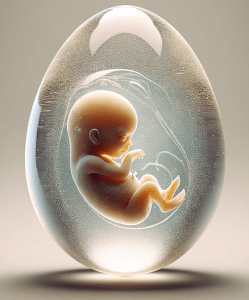 And how, once this human being has grown up, he or she forgets the weak and minuscule form of their own origin.
They forget how they were once so weak and helpless as an embryo or a newborn baby, that s/he could not even speak or feed themselves; and now…. they use the fully developed intellect, faculties, and reasoning that Allah has granted to them as an adult, to argue about how Allah will bring disintegrated dead bones back to life?
The answer, Allah exhorts, is: the same Creator will bring these dead bones back to life one day, Who created them from a single sperm-cell the first time, i.e. out of nothing.
And it is very easy for Allah to do that, because He can create whatever He wants.
ٱلَّذِى جَعَلَ لَكُم مِّنَ ٱلشَّجَرِ ٱلْأَخْضَرِ نَارًۭا فَإِذَآ أَنتُم مِّنْهُ تُوقِدُونَ ٨٠ أَوَلَيْسَ ٱلَّذِى خَلَقَ ٱلسَّمَـٰوَٰتِ وَٱلْأَرْضَ بِقَـٰدِرٍ عَلَىٰٓ أَن يَخْلُقَ مِثْلَهُم ۚ بَلَىٰ وَهُوَ ٱلْخَلَّـٰقُ ٱلْعَلِيمُ ٨١ إِنَّمَآ أَمْرُهُۥٓ إِذَآ أَرَادَ شَيْـًٔا أَن يَقُولَ لَهُۥ كُن فَيَكُونُ ٨٢ فَسُبْحَـٰنَ ٱلَّذِى بِيَدِهِۦ مَلَكُوتُ كُلِّ شَىْءٍۢ وَإِلَيْهِ تُرْجَعُونَ ٨٣
[It is] He Who made for you from the green tree, fire, and then from it you ignite.
Is not He Who created the heavens and the earth able to create the likes of them? Yes, [it is so]; and He is the Knowing Creator.
And His command is only when He intends a thing that He says to it, “Be,” and it is.
So Exalted is He in Whose Hand is the realm of all things, and to Him you will be returned. [80–83]
In the end, as a further proof of His all-able power to create whatever He wants, Allah mentions yet another ‘miracle’ of His creation: the fire that human beings ignite from the wood of green trees, then light up multiple torches with it, using it to guide their way in the wilderness, illuminate their homes, keep warm, and cook food.
Allah asks us: can not the One Who created the galaxies and the earth create the likes of the current human species?
He answers the question Himself: but of course. Why ever not? Because He is well-knowing and all-able of creating anything and everything that He wants!
In fact, whenever He intends for something—anything—to come into existence, or to happen, all that He does is commands it, “Be!”. And it is.
And with this, the beautiful, soul-touching, goosebumps-producing, and heart-softening Surah Yasin culminates, with its last verse exhorting praise and ascribing perfection to Allah, in Whose ‘hand’ is the dominion of everything, and towards Whom all of us will one day be returned (for reckoning).
May Allah guide us to be one of those with whom He is pleased. Aameen.
وَاللهُ أَعْلَمُ بِالصَّوَابِ
Discover more from Sadaf’s Space: From Blog to Books
Subscribe to get the latest posts sent to your email.

 Sadaf’s Space: From Blog to Books
MaashaaAllah, jazaakillahu khayraa, sister Sadaf
Wa iyyaki, sister.