بِسْمِ اللهِ الرَّحْمٰنِ الرَّحِيْمِ
Every surah of the 114 found in the Glorious Book of Allah, the Noble Qur’an, is special, insightful and awe-inspiring in its own way. The same can be said about the surah that immediately follows Surah Al-Rahman in the 27th juz of the Qur’an, i.e. Surah Al-Waqi’ah.
The title of this surah, “Al-Waqi’ah”, means “The (sure-to-occur) Event”.
Many Muslims love to memorize these two surah’s, and rightly so. Their poetic beauty and rhyming prose are akin to a soothing balm for the troubled heart, even for those who do not understand a word of Arabic. Nevertheless, there are few people whom Allah guides to ponder upon the deeper meanings of the verses that these surah’s contain. For these fortunate ones—may Allah make us one of them— the rejuvenation of faith that the verses of Surah Al-Waqi’ah inspire, cannot even be described in words.
Supposed “surah of wealth”
Sadly, an innovation related to Surah Al-Waqi’ah that is rampant in South Asia, i.e. among many Pakistani and Indian Muslims who lack authentic Islamic knowledge, is the belief that reciting this surah every day keeps at bay, or alleviates, poverty and hunger. This belief stems from some Prophetic narrations (ahadith) that are widely circulated and quoted within this population/demographic, but which are not sahih i.e. these narrations are inauthentic (they are listed out on Islamweb here). Beware (again): these ahadith are not authentic.
And Allah knows best.
What I find absolutely amazing (and not in a good way) is that the Muslims who recite Surah Al-Waqi’ah every day (usually after maghrib/sundown) because of their belief that this recitation of theirs will prevent poverty and hunger from afflicting their families and households, do not get the taufeeq (viz, the guidance to perform a righteous deed) to ponder upon the meanings of those verses in this surah, which directly talk about the very blessings that they wish to acquire by reciting it without understanding i.e. the blessings of food, wealth and provision (rizq).
During my teenager years, I**, too, was told again and again to recite Surah Al-Waqi’ah every day after maghrib i.e. the sunset prayer, without understanding a word that I was reciting. “It will ward off hunger from ever afflicting you,” I was told affirmatively.
It was only after studying the tafseer (exegesis) of the Qur’an that I had the chance to understand the beautiful, awe-inspiring, heart-softening content of this surah. And Allah is the source of all guidance.
**Note: I did not do it, because I sought a sound proof for the claim that this surah will ward off poverty from me, and I found none.
Three groups of people on the Day of Judgment
In this surah, Allah starts of with mention of the Day of Judgment, calling it “Al-Waqi’ah”. Then He goes into graphic, descriptive details about the rewards that await mankind, depending on which one of the 3 groups a person will be cast into on the Day of Judgment: the saabiqoon (ٱلسَّـٰبِقُونَ —also known as ٱلْمُقَرَّبِينَ), the as-haab al-yameen (أَصْحَـٰبِ ٱلْيَمِينِ), and the as-haab al-shimal (أَصْحَـٰبُ ٱلشِّمَالِ).
The recompense, retribution and final destination of each individual human being will vary, depending on which one of these 3 groups they end up in.
Allah mentions that very few from the latter generations of Muslims will be among the ‘saabiqoon’ – the “top=tier” group of believing human beings who will attain the highest level of Allah’s pleasure, and the loftiest rank of Paradise, in the Hereafter.
4 natural elements of “The Cycle of Life”
After the graphic depictions of the 3 groups have amazed the one pondering upon this surah, Allah then begins detailing 4 natural elements that have historically formed the basis of provision for mankind—since thousands of years— which are also components of what modern science refers to as “the Cycle of Life”.
Before industrialization and technology pervaded human existence (which is already on its last leg, according to era in time), it was just these 4 things—all elements of nature—that wholly encapsulated human life; on which human beings relied on for basic survival; and around which revolved their major occupations and on which depended their means of earning livelihoods.
Allah describes these 4 elements of nature one by one, each time asking us a crucial question at the start or in the end (the answer to which should form the foundation of our beliefs about provision, sustenance, and our preordained rizq): do you do this, or is it WE Who do? Allah also complains to and scolds us through these questions: Why do you not admit the truth? Why do you not give thanks? Why do you not take heed?
Surah Al-Waqi’ah then culminates with Allah describing the stages of death of a human being, returning to the mention of the 3 groups of humankind that He described at the start of the surah, one of which this dead person’s soul will end up being a part of, depending on the deeds that they did during their life.
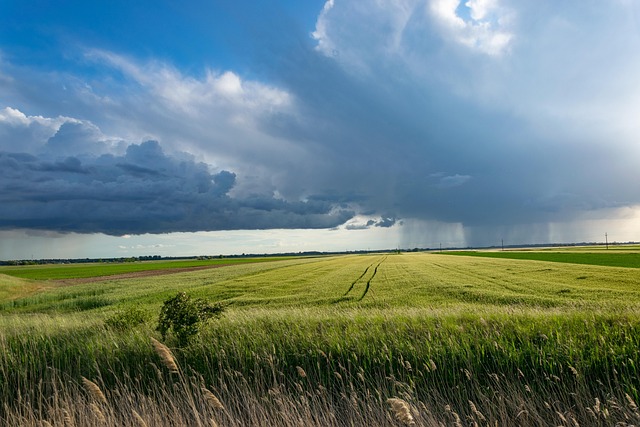
The 4 elements of nature that Allah describes in sequence in Surah Al-Waqi’ah, which form the components of what modern science refers to simply as “the Cycle of Life”, are listed below, in chronological order:
The Human Seed
The human male gender produces a microscopic seed that is preprogrammed by Allah to move, once emitted by a fertile homo sapian, with immense speed, so that it reaches (and embeds itself inside) its target viz. the uterine wall of a fertile female.
This microscopic seed, which can result in the birth of another human being if it gets implanted inside a fertile female’s womb, forms the basis of Allah’s first questions regarding creation (خَلق) that He directs towards us in Surah Al-Waqi’ah:
Allah says, in verse 57:
نَحْنُ خَلَقْنَـٰكُمْ فَلَوْلَا تُصَدِّقُونَ
We have created you. Why, then, do you not accept the truth?
أَفَرَءَيْتُم مَّا تُمْنُونَ
Have you ever considered that [seed] which you emit?
ءَأَنتُمْ تَخْلُقُونَهُۥٓ أَمْ نَحْنُ ٱلْخَـٰلِقُونَ
Is it you who create it–or are We the source of its creation?
Humankind has never been able to create even a single living cell from scratch, out of nothing, let alone even replicate the above kind of seed (the sperm) that causes reproduction of the human species.
The sperm cell carries tiny DNA (unique to every human) contained inside chromosomes having information/data. From physical features to mannerisms and gestures (such as gait, voice, and even personal habits), genetic information that determines the “خَلق” of a future progeny, gets transferred from a parent human being to its offspring through this one tiny seed (in addition to more information that comes from the female parent cell — the ovum).
Allah then mentions death, right after mentioning the seed of human life, because death is the twin of birth:
نَحْنُ قَدَّرْنَا بَيْنَكُمُ ٱلْمَوْتَ وَمَا نَحْنُ بِمَسْبُوقِينَ
We have [indeed] decreed that death shall be [ever-present] among you, but there is nothing to prevent Us…
Allah says that He has preordained death, and how He cannot be overtaken—by anyone or anything,—in His absolute power as a Creator, to change the way that He created us (humankind), and raise us again from scratch, in a hitherto unknown physical form, as a new creation:
عَلَىٰٓ أَن نُّبَدِّلَ أَمْثَـٰلَكُمْ وَنُنشِئَكُمْ فِى مَا لَا تَعْلَمُونَ
…from changing the nature of your existence and bringing you into being [anew] in a manner [as yet] unknown to you.
The Arabic root-word نَشَأَ يَنْشَأُ نَشُؤَ يَنْشُأُ [as a noun: نَشْءٌ , نُشُوْءٌ , نَشَآءٌ , نَشْأَةٌ and نَشَآءَةٌ ] means, “He lived; he rose, became elevated, or high”.
Us humans have often tampered with this idea, especially in our science fiction (sci-fi) media, such as novels—the idea of the whole human race dying or being wiped out, e.g. by an apocalyptic event or invasion, and then being resurrected, re-created, reprogrammed or raised back up—as another, new form of creation.
But the truth is that we humans can never even know, as Allah says in the above verse, what kinds of creation Allah is capable of resurrecting us as. It is beyond our limited intellect and imagination.
وَلَقَدْ عَلِمْتُمُ ٱلنَّشْأَةَ ٱلْأُولَىٰ فَلَوْلَا تَذَكَّرُونَ
And [since] you are indeed aware of the [miracle of your] coming into being in the first instance – why, then, do you not reflect?
The word النَّشَآءَةُ in the above verse means “The resurrection”.
The only thing we humans do know to a limited ability, as the verse above says, is our current physical manifestation as Allah’s creation: how Allah has fashioned us right now, as a life form.
This is His first creation of us (descended from Prophet Adam عَلَيْهِ ٱلسَّلَامُ).
But He can easily wipe us out in the form that we exist in right now, and resurrect us in another form, which is totally unknown to us. And doing this, for Him, is easy.
As for us? We cannot even produce one single sperm-cell with which Allah decrees for our race to continue upon earth!
This command of Allah to reflect upon His creation of the human race, and His absolute power of wiping out any race among His creation and bringing forth new ones, reminds me of dinosaurs.
It is amazing how Allah has wiped them all out as a creation/life-form— one that was once walking upon, swimming in the waters of, and flying over this earth; a race of a magnificent variety of creatures that were sublime yet scary,—and decreed to not resurrect them upon earth ever again, after annihilating their existence in totality.
Allah then asks us: why do you not take heed?
Meaning, why do we human beings not submit to Him—as our Creator, as our only God,—when we cannot even create a single sperm-cell, the kind that He creates (in the millions) inside us, which brings forth our next generations?
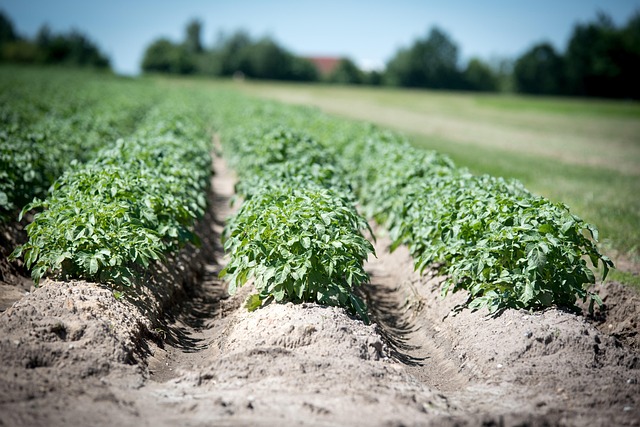
Agricultural Produce: Crops and Vegetation
أَفَرَءَيْتُم مَّا تَحْرُثُونَ
Have you ever considered the seed which you cast upon the soil?
In the next verse of Surah Al-Waqi’ah (number 63), Allah invites us to ponder upon another kind of seed, which gives life: the seeds that we sow into the soil or fertile land (through farming).
There are two kinds of plants and vegetation upon earth: that which grows naturally (such as forests), and that which comes forth from the soil after human beings plant seeds into the earth (through laborious farming and agricultural efforts), as a means of seeking food (sustenance) to consume for their basic survival.
This second category is what Allah is referring to. He then poignantly asks us the next question:
ءَأَنتُمْ تَزْرَعُونَهُۥٓ أَمْ نَحْنُ ٱلزَّٰرِعُونَ
Is it you who cause it to grow — or are We the cause of its growth?
The word زَرَعَ الأَرْضَ n. زَرْعٌ means, “He ploughed up, or tilled, or cultivated, the land, or ground, for sowing”.
Allah exhorts how it is He Who brings forth the crops from the earth after seeds have been planted into it, because mankind has no power to decree that an apparently lifeless seed germinates into a seedling after being planted into soil, and then grows further into an adult crop, tree, shrub, or plant, which produces beneficial provision, such as grains, fruit, vegetables, nuts, herbs, pulses, edible leaves, legumes, beans, cotton and many other consumable types of produce.
لَوْ نَشَآءُ لَجَعَلْنَـٰهُ حُطَـٰمًا فَظَلْتُمْ تَفَكَّهُونَ
[For] were it Our will, We could indeed turn it into debris, and you would be left to wonder [and to lament]…
This is a clear warning!
Allah warns us that if He were to will it, the crops that we had planted would turn into worthless husk, leading the farmers to go into shock and to woefully lament, in a way that is described in the next two verses:
إِنَّا لَمُغْرَمُونَ
“Verily, we are ruined!”
بَلْ نَحْنُ مَحْرُومُونَ
“Nay, but we have been deprived [of our livelihood]!”
These quoted lamentations of shock and grief expressed by mankind serve as a reminder of our total and utter dependence upon Allah, our Creator, for our very basic sustenance.
Everything that finds its way on our plates, besides meat, comes forth from the earth: all grains, pulses, herbs, rice, leafy greens, vegetables, fruit, and seeds, even the tastes (sweet or spicy). Further, whatever food we consume that comes from the bodies of animals, such as eggs and dairy products (milk, butter, cheese, yogurt), meat and bones, and even honey, are all byproducts of the fertile earth upon which these animals graze to feed themselves to survive: grass and other vegetation.
Mankind is well aware that if the planted seeds from which crops come forth from the earth stop germinating, it will result in nothing but starvation and famine for all living creatures (including animals) who walk upon the earth.
And that is why Allah has quoted the emotional lamentation of man in the above two verses.
But let’s ponder upon something else here.
It is not just the sunlight that planted seeds need to germinate and grow.
There is another important natural element on which their growth critically depends.
And Allah mentions this element in the very next verse, number 68.

Sweet (drinking) freshwater
أَفَرَءَيْتُمُ ٱلْمَآءَ ٱلَّذِى تَشْرَبُونَ
Have you ever considered the water that you drink?
ءَأَنتُمْ أَنزَلْتُمُوهُ مِنَ ٱلْمُزْنِ أَمْ نَحْنُ ٱلْمُنزِلُونَ
Is it you who cause it to come down from the clouds – or are We the cause of its coming down?
Sweet water or freshwater that falls from the sky when it rains, flows as rivers and streams, and collects in deep wells around the world for us human beings to extract and drink from, is a priceless blessing of Allah that we can never acquire unless He wills it.
Allah asks us this question: do we make this water fall from the clouds?
Or is it He Who makes it rain?
لَوْ نَشَآءُ جَعَلْنَـٰهُ أُجَاجًا فَلَوْلَا تَشْكُرُونَ
[It comes down sweet, but] Were it Our will, We could make it burningly salty and bitter. Why, then, do you not give thanks?
Anyone who has experienced extreme thirst (who hasn’t?) knows the utter joy of drinking fresh water; how it feels when it slides down a parched throat, and the feeling of coolness that spreads over the whole overheated body through the veins right afterwards.

It is one of the lesser appreciated but one of the greatest joys of life: to be able to drink natural, cold, sweet freshwater… when one is extremely thirsty… directly from a freshwater stream. Not the bottled kind, but the untreated, organic kind of pure water that one can directly scoop up into one’s palms from a natural stream running through a forest.
Allah warns us that were He to wish, He would make this sweet freshwater for us so unpalatable in taste, that we would be left with only salty, bitter water to drink everywhere upon the earth.
Imagine that for a second!
Imagine having only pungent-tasting water to drink!
It will make you shudder in dread.
It is not just for drinking that we human beings use freshwater. We also use it for bathing, washing our clothes, watering our fields and gardens, and countless other beneficial purposes.
Water is life.
Without water, though, like already mentioned above, the seeds of crops planted inside even the most fertile soil would not germinate or grow.
And this would lead mankind and other living creatures to starve, and eventually, — if the drought went on unabated — die.
That is why Allah then asks us: why do you not give thanks (to Him)?
Why do you not appreciate this priceless blessing of His i.e. clean and sweet drinking water, which only He has the power to rain upon us, from the clouds in the sky?
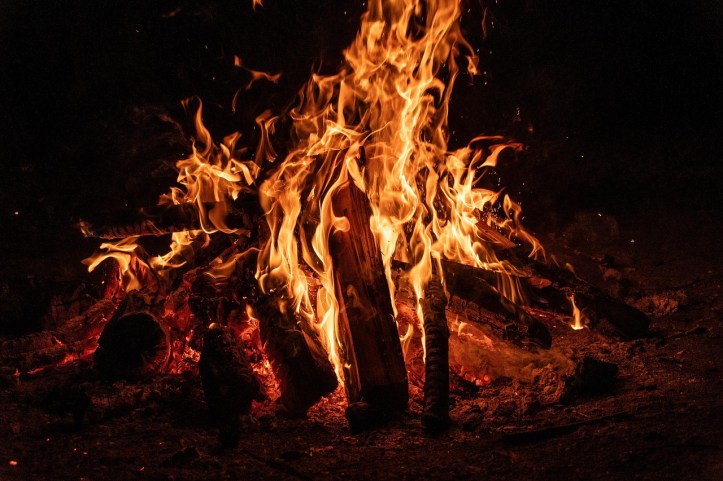
Fire (and firewood)
Once water falls from the sky and allows crops to grow and sprout consumable produce, human beings need yet another natural element to turn the natural raw produce brought forth by these crops into palatable food for themselves, to put on their tables.
The human race also crucially needs this 4th natural element to keep warm during cold nights and long, harsh winters; to cauterize their deep wounds and injuries (this was done for centuries past), and to find their way using organic, fuel-based lamps and handheld torches in the darkness of the night.
Allah mentions this essential natural element next:
أَفَرَءَيْتُمُ ٱلنَّارَ ٱلَّتِى تُورُونَ
Have you ever considered the fire which you kindle?
ءَأَنتُمْ أَنشَأْتُمْ شَجَرَتَهَآ أَمْ نَحْنُ ٱلْمُنشِـُٔونَ
Is it you who have brought into being the tree that serves as its fuel – or are We the cause of its coming into being?
Allah asks us a question about the fires that we human beings have lighted for thousands of years now, using organic, all-natural firewood — still the best kind of fuel for a fire — …that is it He Who grows forth the trees that produce the wood for lighting these fires, or do we?
Nowadays, urban-dwelling humankind uses matches, igniting fluids, or spark-producing devices combined with a supply of gas to ‘make a light’, as they say.
Historically, however, the only way to light a fire was to gather and use natural wood from trees, with perhaps some help from stones and other flammable materials. Other methods existed, too, such as using sunlight or hand-generated friction (the purpose of which was to generate a spark).
Nevertheless, organic wood from trees remained the major source of generating a fire “from scratch”.
Allah then mentions how He has made fire (and the wood used to kindle it) a reminder and a source of benefit for us:
نَحْنُ جَعَلْنَـٰهَا تَذْكِرَةً وَمَتَـٰعًا لِّلْمُقْوِينَ
It is We who have made it a means to remind [you of Us], and a comfort for all who are lost and hungry in the wilderness.
It is a fact that fire has always been a necessity for the basic survival of humankind. That is why Allah says that He has made fire a reminder for us, of His Majesty as our Creator, and how fire remains to be the primary source of benefit (and survival) for anyone who is ever lost in the wilderness.
That is, fire provides such people with light to guide their way at night to reach their destination, warmth and comfort after the sun has gone down, and the ability to cook raw food.
فَسَبِّحْ بِٱسْمِ رَبِّكَ ٱلْعَظِيمِ
Extol, then, the glory of your Lord’s name!
In gratitude for this blessing—of the trees that Allah causes to grow forth from the earth, which provide ample firewood to us almost everywhere around the world,— Allah then orders us to praise His great name.
We should respond to this command of His by saying, “سُبْحَانَ رَبِّيَ الْعَظِيمِ”.
The Greatness of the Qur’an
After mentioning the basic elements that comprise the “Cycle of Life” for humankind on earth, i.e. the male seed, crops, freshwater and fire/trees, Allah goes on to proclaim the greatness of the Qur’an— His Divine Revelation and Writ sent down for the guidance of humankind:
فَلَآ أُقْسِمُ بِمَوَٰقِعِ ٱلنُّجُومِ
Then, I swear by the setting of the stars.
وَإِنَّهُۥ لَقَسَمٌ لَّوْ تَعْلَمُونَ عَظِيمٌ
And this is indeed an oath most great, if you but knew!
إِنَّهُۥ لَقُرْءَانٌ كَرِيمٌ
Behold, it is a noble Qur’an,
فِى كِتَـٰبٍ مَّكْنُونٍ
..in a well-guarded divine writ.
لَّا يَمَسُّهُۥٓ إِلَّا ٱلْمُطَهَّرُونَ
which none but the pure [i.e. angels] can touch,
تَنزِيلٌ مِّن رَّبِّ ٱلْعَـٰلَمِينَ
a revelation from the Lord of the worlds!
After proclaiming the greatness of the Qur’an, Allah chastises those people who treat this Divine revelation with disdain and non-seriousness. He asks us:
أَفَبِهَـٰذَا ٱلْحَدِيثِ أَنتُم مُّدْهِنُونَ
Would you, now, look down with disdain on a tiding like this?
The Arabic root-word “دهن” means oil or moisture. The implication — from the way that this Arabic word has been used in the above verse, is — to hold something (which is very worthy) in low regard or estimation; to regard it with disdain and non-seriousness; to have a neglectful and indifferent attitude towards it; to look down upon it and upon what it contains of Allah’s commands.
وَتَجْعَلُونَ رِزْقَكُمْ أَنَّكُمْ تُكَذِّبُونَ
and you make it your daily bread [as it were] to call the truth a lie?
Allah chastises humankind for making their rejection of this truth that has been revealed by Him (i.e. the Qur’an) a “means of provision (rizq)” for themselves. An example of this could be when rain falls from the sky after a long drought, and humankind attributes this provision that only Allah has sent down, to some other deity that they worship.
قَالَ: أَصْبَحَ مِنْ عِبَادِي مُؤْمِنٌ بِي وَكَافِرٌ، فَأَمَّا مَنْ قَالَ: مُطِرْنَا بِفَضْلِ اللهِ وَرَحْمَتِهِ، فَذلِكَ مُؤْمِنٌ بِي، كَافِرٌ بِالْكَوْكَبِ، وَأَمَّا مَنْ قَالَ: مُطِرْنَا بِنَوْءِ كَذَا وَكَذَا، فَذلِكَ كَافِرٌ بِي وَمُؤْمِنٌ بِالْكَوْكَب
The Messenger of Allahﷺ reported that Allah said, “This morning, some of my servants remained as true believers in Me and some became disbelievers. Whoever said that the rain was due to the blessings and the mercy of Allah, had belief in Me, and he disbelieves in the stars; and whoever said that it rained because of a particular star, had no belief in Me, but believes in that star.” [Sunan Abu Dawud, Forty Hadith Qudsi]
If, instead of thanking their true Provider (Allah) for the provision that they receive, human beings thank something or someone else for it, their action of attributing the attainment of their provision to other than Allah is a form of تُكَذِّبُونَ (calling the truth a lie, or rejecting the truth).
And that is what the above verse mentions.
To culminate: whether it is the microscopic human seed that allows the human race to continue, the crops that emerge from the earth as their food, the sweet freshwater that falls from the clouds in the sky, or the trees that provide wood as fuel for lighting fires, — it is only Allah Who provides humankind with all of this provision.
Were He not to will it, not a single cell of any of the above four natural elements could come into existence, or benefit us.
That is the point that Allah drives home for us by asking us these hard, reflection-provoking questions regarding our rizq (provision) in the above amazing verses of Surah Al-Waqi’ah.
And Allah knows best.
The Departing Soul
After talking about the creation of human life and its provision, Allah comes back to death: to the moments when a dying person’s soul is departing from his or her physical body.
He starts by describing the state of the ‘throes of death’, when a dying person is still alive and breathing, but their soul is no longer conscious of the world and the people around them:
فَلَوْلَآ إِذَا بَلَغَتِ ٱلْحُلْقُومَ
Why, then, when [the last breath] comes up to the throat,
وَأَنتُمْ حِينَئِذٍ تَنظُرُونَ
the while you are [helplessly] looking on
An apt description of the way living people look helplessly on at the dying person’s labored breathing, usually with their mouth hanging open and their tongue hanging out. If this person is in a hospital, doctors at this point usually throw their hands up in the air and declare that they can not do anything any more. “We have done all that we could,” they resignedly say at this point. The family members of the dying person look on as their loved one is ‘lost’ — no longer able to listen to or respond to their voices; still alive clinically, but their soul already en route to its final abode. The breathing is laborious, drawn out and loud, sounding like the parts of a machine grating against each other (I have heard it, so I know).
وَنَحْنُ أَقْرَبُ إِلَيْهِ مِنكُمْ وَلَـٰكِن لَّا تُبْصِرُونَ
and We are closer to him than you, although you see [Us] not.
Allah extols that — instead of us human beings, who look on helplessly with forlorn faces as our loved one departs, — it is He Who is nearer to that dying person during this stage, i.e. during the laborious throes of death, through the presence of His angels, who are there.
However, human beings are unable to see or sense Allah’s angels, though they are right there with the dying person, extracting their soul.
Allah then asks us another hard question:
فَلَوْلَآ إِن كُنتُمْ غَيْرَ مَدِينِينَ
why, then, if [you think that] you are not truly dependent [on Us],
تَرْجِعُونَهَآ إِن كُنتُمْ صَـٰدِقِينَ
can you not cause that [ebbing life] to return – if what you claim is true?
Allah challenges us that,— if we are allegedly not to be judged for our deeds and recompensed on the Day of Judgment, — why can we not return the departed soul back to its body?
It is true, not a single human being has ever come back from the dead, nor has humankind been able to devise any way of bringing the dead back to life. Human beings do not even know what it is like to die, because no one who died was ever able to return to tell us what it was like.
Allah challenges us to try to bring the departed soul back to the lifeless body from which it was extracted by His angels.
And — since surely we can not do this — He goes on to describe the next stage of existence that awaits every human soul after its death: its final destination after the establishment of the Hour.
Depending on the faith they had during this worldly life and the deeds that they did, a human soul will be placed into any one of the three groups of humankind that Allah detailed at the start of Surah Al-Waqi’ah.
These three groups are the ٱلْمُقَرَّبِينَ (also called the ٱلسَّـٰبِقُونَ), the أَصْحَـٰبِ ٱلْيَمِينِ, and the أَصْحَـٰبُ ٱلشِّمَالِ.
The ultimate end of each group is then individually described in the last beautiful verses of Surah Al-Waqi’ah, as it culminates:
فَأَمَّآ إِن كَانَ مِنَ ٱلْمُقَرَّبِينَ
Now if one happens to be of those who are drawn close unto God,
فَرَوْحٌ وَرَيْحَانٌ وَجَنَّتُ نَعِيمٍ
happiness [awaits him in the life to come], and inner fulfillment, and a garden of bliss.
وَأَمَّآ إِن كَانَ مِنْ أَصْحَـٰبِ ٱلْيَمِينِ
And if one happens to be of those who have attained to righteousness,
فَسَلَـٰمٌ لَّكَ مِنْ أَصْحَـٰبِ ٱلْيَمِينِ
“Peace be unto you of those who have attained to righteousness!”
وَأَمَّآ إِن كَانَ مِنَ ٱلْمُكَذِّبِينَ ٱلضَّآلِّينَ
But if one happens to be of those who call the truth a lie, and go astray,
فَنُزُلٌ مِّنْ حَمِيمٍ
a welcome of burning despair
وَتَصْلِيَةُ جَحِيمٍ
and the heat of a blazing fire!
إِنَّ هَـٰذَا لَهُوَ حَقُّ ٱلْيَقِينِ
Verily, this is indeed the truth of truths!
فَسَبِّحْ بِٱسْمِ رَبِّكَ ٱلْعَظِيمِ
Extol, then, the limitless glory of your Lord’s name!
This is how Surah Al-Waqi’ah ends… with Allah again commanding us to praise His glorious name.
We should respond to this command by saying (again), “سُبْحَانَ رَبِّيَ الْعَظِيمِ”.
Conclusion: A surah that rejuvenates dead hearts
Pondering upon Surah Al-Waqi’ah deepens a person’s belief in the fact that the source of all provision, for every living being (including the human race), is solely the Almighty Creator: Allah.
Though we are required to work hard and toil to seek our sustenance during life, e.g. by ploughing the earth, planting seeds and tending to our crops, our basic belief should nevertheless staunchly remain that, despite our efforts, it is only Allah Who can make a planted seed eventually take the form of a cooked, ready meal that we see before us on our plates, which we then consume and transfer to our stomachs, allowing us to survive and thrive.
By remembering the origin of every human soul (by birth, through its reproductive seed) and its end (by death, through the angels’ extraction of the soul), we will not forget that this life is but a transient, fleeting existence, and a transitional, temporary phase.
During this short phase, we are required to worship our Creator according to His guidance (i.e. the Noble Qur’an, which was revealed through His Messenger ﷺ), pass the tribulations that He sends our way with patience and faith, and do proactive righteous deeds with the sincere intention of pleasing Him, until He sends His angels to take our soul away.
By pondering and reflecting upon these inspiring verses of Surah Al-Waqi’ah, we can hope to be guided to live our short lives in such a way that Allah resurrects us on the Day of Judgment in the most special one of the 3 groups that He has mentioned in this surah — the ٱلسَّـٰبِقُونَ.
But …. in order to achieve that noble objective, the least we can start doing (as a first, ‘baby step’) is to stop just reciting this surah sans any understanding of its meanings, and begin to recite it whilst obligatorily pondering deeply upon the message and warnings that it contains for us… regarding the origin/creation of mankind, the preordainment of its provision, and the throes of death that awaits every soul.
Discover more from Sadaf’s Space: From Blog to Books
Subscribe to get the latest posts sent to your email.

 Sadaf’s Space: From Blog to Books
Welcome back Sister Sadaf!
🤜🏼🤛🏼
Assalaam alaykum sister, alhamdulillah your blog is back after a long time. Mashallah, it amazes me how you reflect on the qur-an, subhaanallah. Jazakillahu khayra for sharing this with us, may Allah grant you an easy and peaceful life in this world and the hereafter.
عَلَيْكُمُ ٱلسَّلَامُ
آمِين وَإيَّاكِ كَذَلِك
As-salaamu ‘alaikum waraHmatullahi wabarakaatuh Dear Sister Sadaf,
Jazaakum Allahu khairan for the article.
I wanted to share this article regarding acting upon the Hadith of reciting Sura Waqia’h. https://hadithanswers.com/the-famous-virtue-of-surah-waqiah/
There’s a great virtue of acting upon it. ‘Abdullah b Mas’ud rA narrated a Hadith, and he also taught his daughters to recite the Sura after Maghrib.
It’s permissible to act upon a weak (da’eef) Hadith. We should note that a da’eef Hadith is not a fabricated Hadith, which are completely rejected. It’s possible that a Hadith was initially sahih but over time became da’eef. Additionally, multiple da’eef Ahadith lend evidence that there’s reality to the Hadith, and may be upgraded to the level of Hasan and thus be used as proof.
JazaakumAllahu khairan and Eid Mubarak. As-salaamu ‘alaikum waraHmatullahi wabarakaatuh.
عَلَيْكُمُ ٱلسَّلَامُ sister.
This is the opinion adopted by the Hanafi madhab, because of which the innovative practice of reciting Surah Al-Waqi’ah after maghrib prayers is widely prevalent among most South Asian born Muslims (or the diaspora whose parents were from South Asia), as I have mentioned in the post.
Ironically, decades of observation have been a witness to the fact that those Muslims who engage in this innovative act of worship remain afflicted with poverty, or (worse) the fear of poverty. They also remain deterred from acting upon authentic sunnah habits of the Prophet ﷺ (such as praying qiyam ul layl, the topic of my next post).
Islam is a faith that empowers a Muslim, not the opposite. Apologies, but some Muslims who are staunch advocates of reciting Surah Al-Waqi’ah after maghrib prayers (without understanding a word of its meanings, or ever reflecting upon them) are extremely penny-pinching and miserly in their personal habits, and miserliness is something that the Prophet ﷺ sought Allah’s refuge from.
We can agree to disagree. Allah knows best.